Should You Steer Clear of Wet Timing Belts?
A Summary of Wet Belts
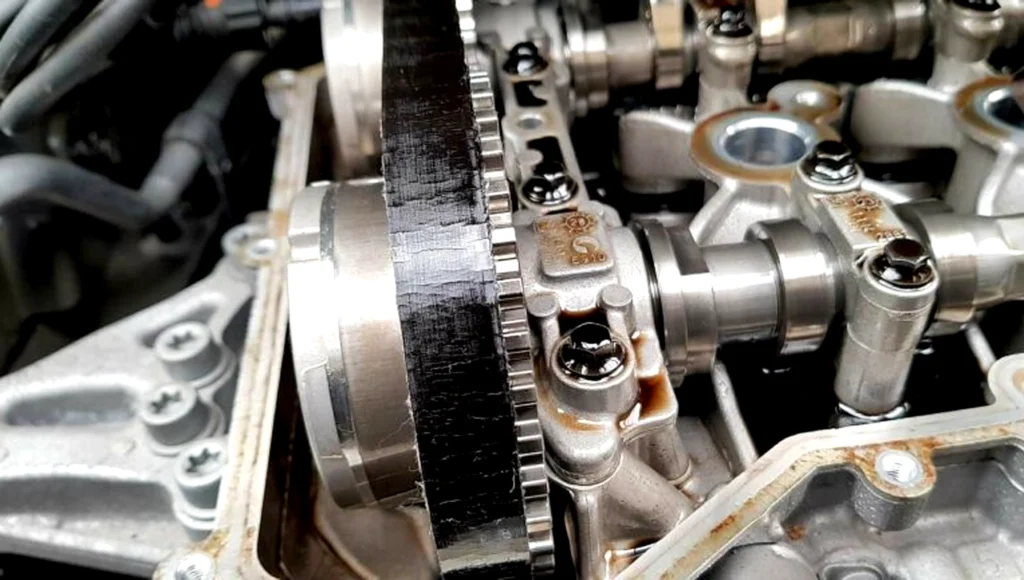
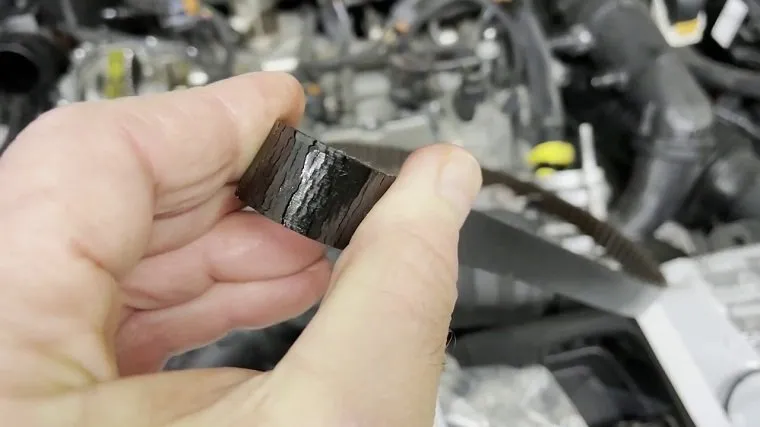
Recently, a different type of timing belt has gained attention: wet timing belts. These belts, prominently used in Ford's EcoBlue engines, have been causing significant issues in the automotive industry while largely flying under the radar. In this article, I take an in-depth look at this problematic component, exploring its intended purpose, the issues Ford aimed to address, and the challenges that have arisen as a result.
The Wet Timing Belt
A traditional dry timing belt is typically located outside the engine, shielded by a protective cover. In contrast, a wet timing belt is positioned inside the engine, submerged in oil.
The Purpose of Wet Belts:
Extended Maintenance Intervals
- Lubrication from the engine oil reduces wear and friction, potentially increasing the belt's lifespan, improving fuel efficiency, and lowering CO2 emissions.
Improved Heat Dissipation
- Any heat generated by the belt can dissipate into the surrounding oil, helping to regulate engine temperatures.
Reduced Noise
- Noise and vibrations from the timing belt are dampened by the oil, contributing to quieter engine operation.
The first "belt-in-oil" system appeared in European-market Ford 1.8L diesel engines (1.8 TDCi). Volkswagen soon adopted the concept in certain EA211 and EA288 engine families. Ford later integrated wet belts into its EcoBoost engines in 2010 and expanded their use in 2016 with the launch of the EcoBlue engine, which powers a wide range of vehicles.
However, one of the primary causes of timing belt failure is fluid contamination, particularly from oil. This is why the "belt-in-oil" system has raised eyebrows. Oil exposure typically degrades the rubber in timing belts, leading to tooth separation or snapping. Combining these two elements in the same system may seem counterintuitive and potentially problematic.
To minimize the risk of issues with wet timing belts, it’s crucial to follow best practices for maintenance and usage. Here are the most effective strategies:
Follow the Manufacturer’s Maintenance Schedule
- Adhere strictly to the timing belt replacement intervals recommended by the manufacturer. Wet belts often have longer replacement intervals, but delaying maintenance can lead to failure.
Use High-Quality Oil and Filters
- Ensure you’re using the manufacturer-recommended oil grade and quality. Substandard oil can accelerate belt degradation. Regularly replace oil filters to prevent contaminants from circulating in the engine.
Check for Oil Contamination
- Inspect the oil for signs of debris, excessive wear particles, or contamination. Any irregularities can affect the wet belt's lifespan.
Address Oil Leaks Promptly
- Even a minor oil leak can disrupt the wet belt system. Regularly inspect the engine for leaks, particularly around seals, and repair them immediately.
Avoid Harsh Driving Conditions
- Consistent heavy towing, aggressive driving, or extreme temperatures can place additional strain on the timing belt and oil system. Operate the vehicle within its designed limits.
Monitor for Warning Signs
- Pay attention to unusual engine noises, vibrations, or performance issues, as these could indicate wear or damage to the timing belt. Address these promptly with a professional inspection.
Choose a Trusted Mechanic
- When it’s time for belt replacement or engine servicing, use a reputable mechanic familiar with wet belt systems. Improper installation can lead to premature failure.
By taking these precautions, you can reduce the likelihood of wet belt failures and maintain optimal engine performance.